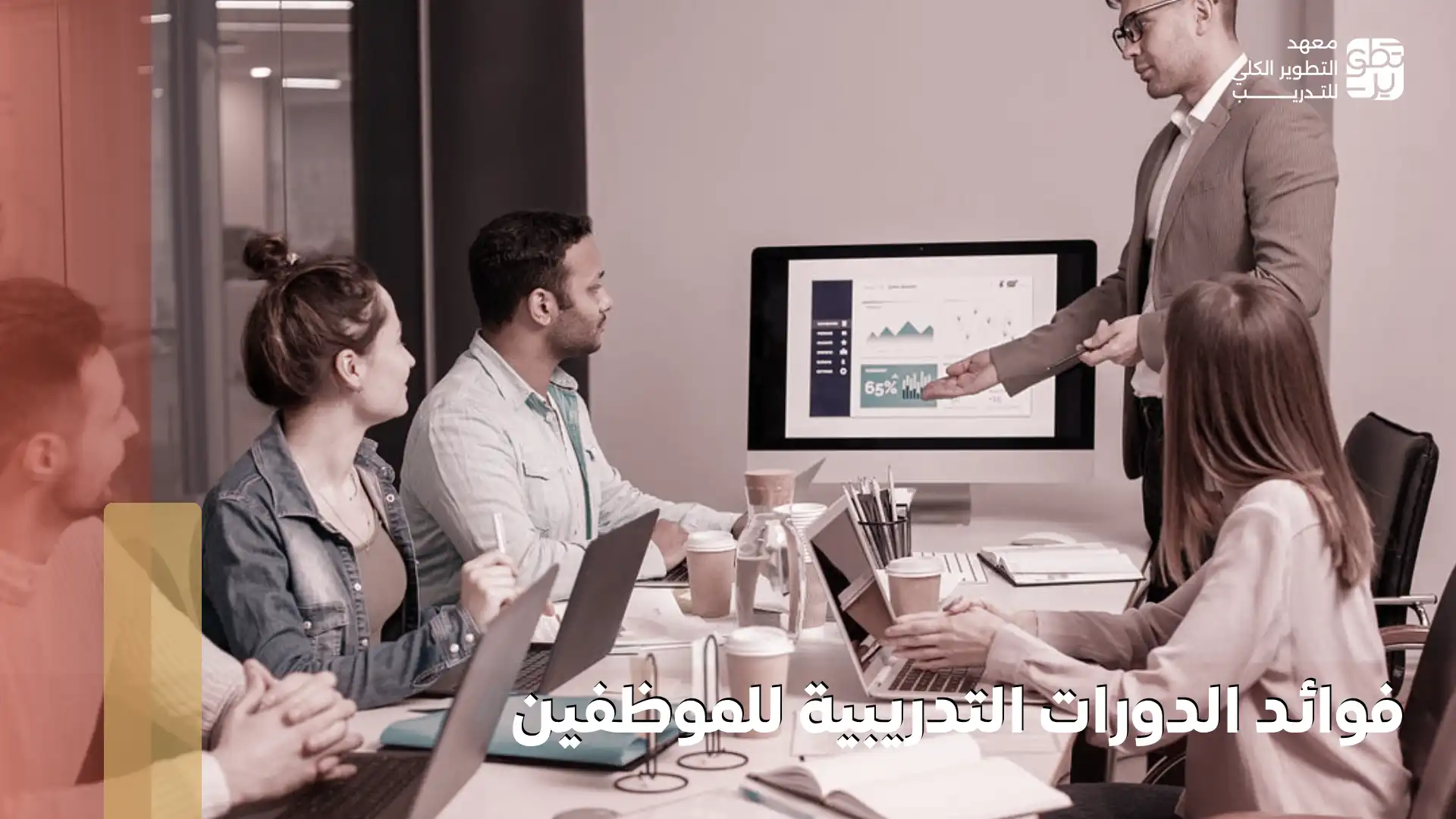

You may be a distinguished person in your field, possessing all the skills and experience needed for success. However, weak successful communication skills at work can cause many opportunities to slip away. Sometimes you may find it difficult to express your ideas clearly, or you may struggle to answer a simple question during a job interview, causing you to lose others’ confidence before they even see your true abilities.
You cannot ignore developing your communication skills if you want to grow personally and professionally, otherwise you may remain stuck in the same place despite all your potential. By enrolling in a Effective Communication Skills Course from MDIT, you will gain the ability to express your ideas clearly, listen actively, and interact in a way that helps others understand and trust you. In this article, we will explore successful communication skills, their types, and their importance.
What Are Successful Communication Skills at Work?
Successful communication skills at work refer to the ability to convey information, ideas, and even emotions smoothly between colleagues, managers, and clients. This requires a combination of verbal skills (such as speaking clearly) and non-verbal skills (such as writing and interpreting body language).
The main goal of mastering effective communication skills in the workplace is to ensure that the message is delivered and understood exactly as intended. This reduces misunderstandings and creates a collaborative and productive work environment.
Through these skills, you will be able to gain the trust of others, collaborate with them easily, and receive their support at work. Over time, you will notice that good communication directly impacts your professional results and strengthens your relationships with colleagues as well.
Join the Effective Communication Skills Course at MDIT and develop the skills that help you stand out in the workplace. You will learn how to express your ideas clearly, interact confidently with others, and build successful professional relationships.
The Importance of Successful Communication Skills at Work
Communication is not just a way to transfer information; it is the main driver of success for individuals and organizations alike. Here are some reasons why these skills are essential for every professional:
1. Enhancing Productivity and Professional Efficiency
When communication is clear, everyone understands tasks and goals accurately, reducing the likelihood of mistakes or repeated work. Focusing on successful communication skills at work directly improves team performance and helps achieve faster and more accurate results.
2. Building a Strong Personal Brand
Professional communication builds trust between you and your colleagues or supervisors. A person who can present ideas confidently with appropriate body language is often viewed as a potential leader. For this reason, ambitious professionals often enroll in a Successful Communication Skills Course at Work to build a professional identity that supports future promotions.
3. Developing Effective Communication with Clients
Successful relationships are built on mutual understanding. By mastering effective communication skills with clients, you can gain their trust and solve their problems intelligently, ensuring long-term loyalty. These skills also strengthen mutual respect within the workplace, making daily collaboration easier.
4. Conflict Management and Dispute Resolution
Work environments are rarely free of challenges, and this is where the real power of effective communication in the workplace appears. The ability to listen carefully and use emotional intelligence helps transform conflicts into opportunities for growth and learning, creating a positive work environment free of unnecessary tension.
5. Leadership and Global Influence
Successful leaders are usually excellent communicators. Whether you lead a small team or manage large projects, developing communication skills at work helps you present ideas clearly, motivate your team, and build strong relationships with them.
Over time, these skills also help you deal effectively with cultural differences and diverse perspectives within the workplace. Therefore, enrolling in a Successful Communication Skills Course at Work is an important step for anyone who wants to become a more influential leader.
Invest in the importance of possessing effective communication skills. Do not wait for opportunities—create them yourself by enrolling in the Effective Communication Skills Course at MDIT, which offers accredited online courses in Saudi Arabia.
Types of Effective Communication Skills at Work
Effective communication is a complete system of tools we use to express ourselves. Through the Effective Communication Skills Course at Work, these skills can be classified into several main types that complement one another:
1. Verbal Communication
This is the most common type and relies on spoken words to convey ideas and information. Mastering verbal communication means being able to choose clear language and terms that make it easy for the listener to understand your message, whether in direct conversations or during a communication skills workshop.
2. Non-Verbal Communication
Sometimes body language speaks louder than words. Hand gestures, tone of voice, eye contact, and even breathing patterns all communicate your true emotions. The better you use non-verbal signals, the more successful your effective communication with clients becomes, as clients sense your sincerity and attention.
3. Written Communication
Communication through emails and official reports is an integral part of daily work routines. The ability to write clear, accurate messages without grammatical errors is one of the most important effective communication skills at work, as it reflects professionalism and protects the rights of all parties through documented communication.
4. Active Listening Skills
Successful communication requires the ability to listen actively and understand what lies behind the words, which is just as important as speaking. Active listening helps you adjust your responses based on what is said, reducing misunderstandings and building trust between you and others.
5. Visual and Digital Communication
Visual communication appears in presentations and charts that deliver messages quickly and clearly. With digital transformation, electronic communication has become a skill in itself. Managing meetings on platforms like Zoom or interacting professionally on social media requires special skills known as digital social communication skills to ensure positive remote interaction.
Successful Communication Skills Courses at MDIT
At MDIT, we believe the difference between an average employee and an exceptional one lies in how they communicate and influence those around them. That is why we designed the Effective Communication Skills Course as a fully practical experience that goes beyond theoretical explanations and gives you the tools needed to succeed in both your career and personal life.
In our Effective Communication Skills Course at Work, you will learn everything about the art of communication step by step. The course covers key aspects, including:
- Understanding the elements of communication (sender, message, and receiver) and choosing the appropriate context.
- Reading emotions and improving non-verbal communication to ensure your message is delivered effectively.
- Using paraphrasing techniques and clarifying questions to avoid misunderstandings.
- Strategies for dealing with difficult situations and managing emotions in the workplace.
- Building positive and productive relationships with colleagues and clients.
Who Can Benefit from This Course?
Whether you are a manager leading a team, an employee seeking promotion, or a recent graduate preparing to enter the job market, the Successful Communication Skills Course at Work will help strengthen your professional reputation. It is also a great opportunity to improve your personal relationships and increase your influence in society.
At the institute, we provide complete flexibility to suit your busy schedule. You can join the Effective Communication Skills Course through the following options:
- In-person attendance: 690 Saudi Riyals
- Online course: 690 Saudi Riyals
Whether you prefer attending in person or online, your place with us is reserved. Enroll now in the Effective Communication Skills Course and learn through practical training.
Social Communication Skills Test
At the end of the Effective Communication Skills Course, you will take a social and professional communication skills test. This test measures your ability to handle real workplace situations with confidence and efficiency.
Our evaluation of successful communication skills at work is based on international standards that measure several interconnected dimensions to ensure excellence in the job market, including:
- Written Communication: Assessing your ability to craft clear, organized messages in a professional tone.
- Verbal Communication: Evaluating your fluency and confidence in explaining complex ideas simply in meetings or presentations.
- Active Listening: Testing your ability to process and understand information accurately.
- Situational Analysis: Placing you in real scenarios such as dealing with an angry client or resolving conflicts between colleagues.
- Non-Verbal Signals: Measuring awareness of body language and tone of voice and how to use them effectively.
- Emotional Intelligence: Evaluating your ability to read others’ emotions and manage your own reactions during critical moments.
In the end, your path to success in any job begins with your ability to understand others and build strong relationships with everyone around you. Because practical experience makes the real difference, we designed our Successful Communication Skills Course at Work with certification that ensures your efforts and training are documented and recognized everywhere.
Start your journey with our institute accredited by the Technical and Vocational Training Corporation (TVTC). Enroll in the course now and secure practical training with a certificate that opens the doors to your future.
Frequently Asked Questions
How can I develop my communication skills at work؟
You can develop them through practical training, practicing active listening, seeking feedback from others, and enrolling in specialized communication skills courses.
What is the difference between verbal and written communication in the workplace؟
Verbal communication refers to how you speak and interact with others, while written communication focuses on how you write messages and reports clearly and accurately.