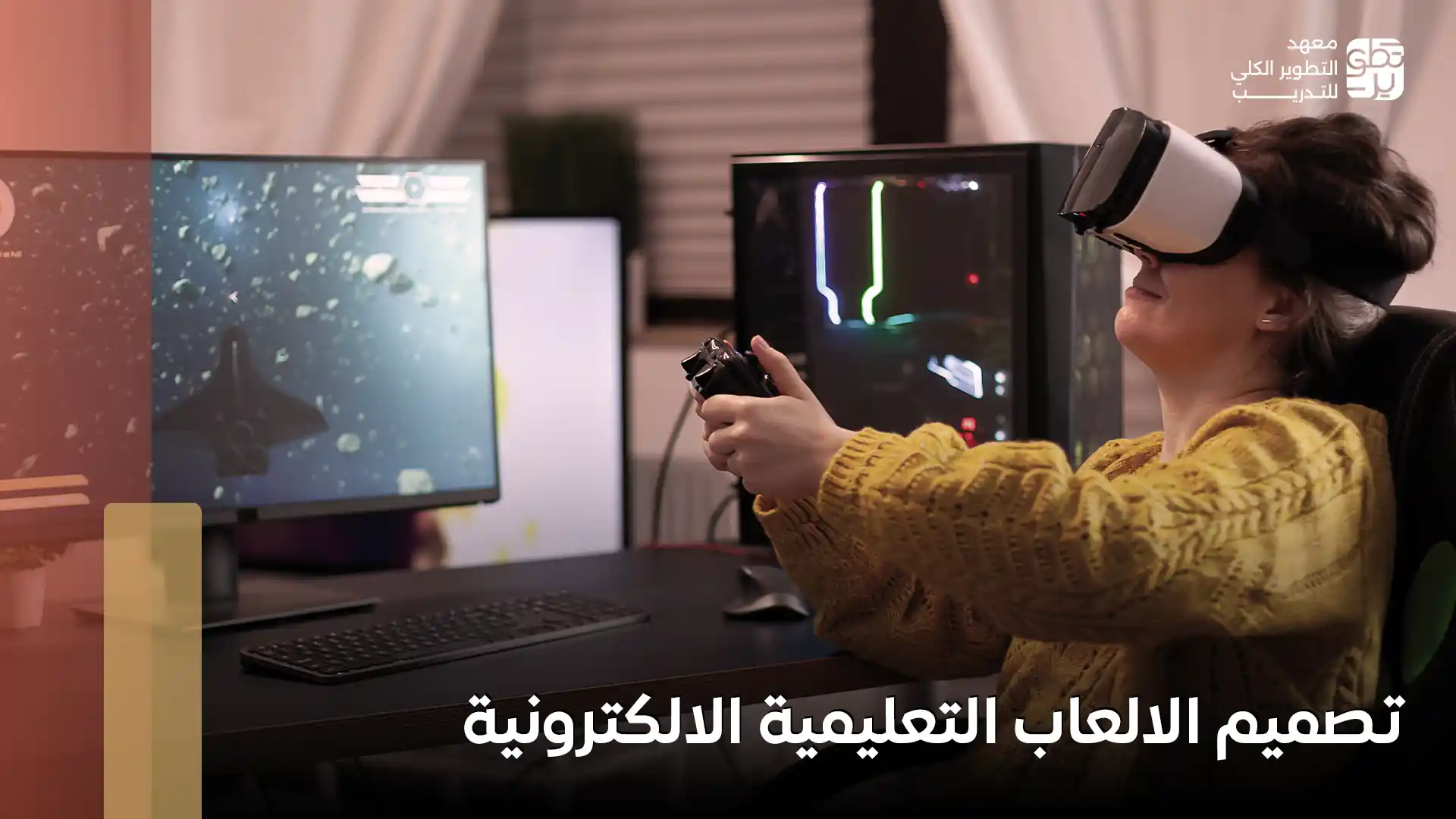
Nowadays, designing electronic educational games has become the most powerful driver for making learning an engaging and interactive experience. These games combine theory and practice in a way that encourages creative thinking and problem-solving within a safe environment. Therefore, the move toward designing electronic educational games aims to break traditional molds and replace them with stimulating experiences that deeply connect the student with the content.
If you are passionate about programming and want to learn how to design electronic games to make it your future career, remember that every dream starts with a single step. Creating a professional electronic game requires a solid programming foundation, which we provide in the course "Introduction to Programming and Game Design – Beginner" at the MDIT. Start your journey in programming and game design with us. Just keep reading.
What Do We Mean by Designing Electronic Educational Games?
When we talk about designing electronic educational games, we don’t mean simply turning a lesson into a game. We mean building a complete educational experience designed from the ground up to achieve specific learning objectives—but in an interactive, enjoyable way characterized by challenges, rewards, levels, motivational elements, interactivity, and digital tools.
The goal of designing electronic educational games is not only entertainment but also actively engaging the learner in acquiring knowledge.
What Are Educational Games?
Educational games are digital games developed specifically to teach a particular subject or skill. They may target children, teenagers, or even adults in professional training programs. They can be used in classrooms or for self-paced online learning.
It’s important to distinguish between two similar concepts:
- Educational Games: Designed from the start with a clear educational purpose and specific learning outcomes.
- Game-Based Learning: Using any game—educational or not—to acquire skills or information. For example, a child might learn logical thinking skills from playing chess, even though it wasn’t specifically designed to teach logic.
So, designing an electronic educational game is different from merely using a game in education; it relies on careful pedagogical planning that links gameplay mechanics to educational goals. We invite you to join the "Introduction to Programming and Game Design – Beginner" course, where we provide the foundational rules and modern techniques to confidently start your professional journey.
The Importance of Designing an Educational Electronic Game
Recent studies confirm that designing electronic educational games is an educational necessity with proven effectiveness:
- 36% of teachers already use electronic games in their classrooms to increase student engagement.
- 42% of experts believe that students struggling academically benefit most from these games, as they simplify information and boost the desire to learn.
This shows that electronic educational game design is no longer just an innovative idea but an effective tool supporting academic achievement. Benefits include:
- Creating an interactive learning environment that pushes students to think rather than passively receive information. The game places them in scenarios requiring problem analysis, decision-making based on specific data, and searching for innovative solutions to achieve goals.
- Encouraging creativity by developing strategies, choosing different paths, or designing game elements, practicing creativity practically rather than theoretically.
- Motivating students through gradual challenges, a sense of accomplishment, and encouraging repeated attempts without fear of failure.
- Simulating real-life situations, helping students apply concepts in practical contexts. Instead of memorizing, they experience knowledge within interactive scenarios.
Thus, designing electronic educational games has become an essential component of modern education, whether in schools, universities, or professional training programs, as it combines fun with purpose and transforms learning into an active, impactful experience. Be part of the change and join us now in the Introduction to Programming and Game Design – Beginner program, learning the fundamentals of programming at the MDIT.
What to Consider When Designing Electronic Games
To move away from boring traditional educational templates, successful electronic game design must rely on a set of standards that fully immerse the player in the experience. The difference between a regular game and a professional one lies in the details. When starting to design an electronic game, you must set clear educational objectives intelligently integrated into the gameplay mechanics, allowing players to learn through trial and error in a simulated environment rather than mere reading.
To ensure maximum engagement when designing electronic educational games, our course focuses on the following features:
- Immersion and Interactive Environment: Whether 2D or 3D, the player should feel inside the digital world, achievable through professional use of engines like Unity.
- Adaptive Learning Paths: Excellence in educational game design requires the game to adapt to each player’s level, offering hints to struggling players and increased challenges to advanced ones.
- Immediate Feedback: The system should respond instantly to every player action, visually or narratively, so they know the outcome of their decisions immediately.
- Motivating Storylines and Rewards: Humans learn through stories. Assigning players a "mission" or "hero" acts as a strong incentive, especially when reinforced with a reward system (Gamification) that boosts enthusiasm.
Mastering these features is the core of what we provide in "Introduction to Programming and Game Design – Beginner". We don’t just teach coding; we train you in the philosophy of electronic game design, combining data power, analytics, and cross-platform usability (mobile, PC, or tablet) to create an unforgettable educational experience.
Learn to Design Electronic Educational Games with MDIT
At the MDIT, we offer a complete educational experience combining theory and practical application, helping you acquire skills that prepare you for the job market. Key features include:
- Internationally accredited programs providing a real competitive advantage.
- Advanced digital learning using the latest interactive tools.
- Integrated practical and theoretical training to strengthen actual skills.
- Customized programs according to your needs and career goals.
- Expert instructors combining academic knowledge and practical experience.
In conclusion, remember that every successful game developer started by designing a simple electronic game. With patience and proper training, those beginnings can grow into global projects. The world of electronic educational and entertainment game design is waiting for your unique touch and innovative ideas to come to life and impact millions.
Don’t just watch digital progress—be part of it. At the MDIT, we put years of experience and international accreditation at your fingertips to turn your passion into true professionalism. Contact us now to reserve your spot in the programming course in Riyadh.